





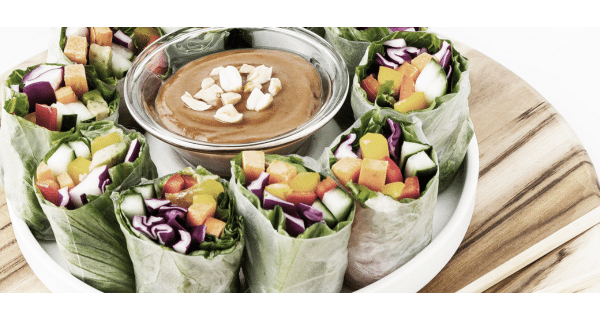

Used under a Creative Commons Licence
What “Vegan” Really Means in Australian Law
“Vegan” and “plant‑based” used to be niche lifestyle terms tucked away on specialty products; now they sit in big fonts with green leaves on mainstream supermarket shelves. Many shoppers use them as shortcuts for ethical, environmental and health decisions, and are willing to pay more on the assumption those words accurately describe what is in the pack and how it is made. That is exactly why the law treats these words as serious, factual promises rather than just branding flair.
Around 5% of Australians are now vegan, which is roughly 1.3 million people, and the number has more than doubled over the last decade. A much larger group eats “mostly” plant‑based or vegetarian, so the influence of vegan eating is bigger than the strict vegan numbers suggest.
Under Australian food law, the Food Standards Code focuses mainly on safety, composition and nutrition information, not on lifestyle or ethics claims like “vegan”. Those words instead fall under the Australian Consumer Law, which asks a very simple question with big consequences: looking at the label and marketing as a whole, is a reasonable consumer likely to be misled or deceived by what the business says or implies?
No legal definition, but real legal risk
There is currently no binding statutory definition of “vegan” in Australian food legislation, and the Food Standards Code does not set a checklist for when the word can be used. That can feel liberating for marketers, because there is no single box to tick, but it also removes the comfort of being able to say “we followed the Code’s vegan rule, so we must be safe”. Instead, general misleading and deceptive conduct rules apply, with all the grey areas they bring.
In practice, regulators and courts will ask what an ordinary, reasonable consumer would think “vegan” means in context. Many consumers assume at least that there are no animal‑derived ingredients, and often that animal‑derived processing aids have been avoided and cross‑contamination is minimised, especially if the product is clearly pitched as an ethical choice. If the ingredients, factory practices or supply chain tell a different story, the lack of a formal definition does not protect the business; the focus stays on the overall impression created.
The hidden traps: additives, aids and shared lines
The obvious animal‑derived ingredients are usually the first to go when a business wants to make a vegan claim. Most people now recognise that gelatine, whey powder or egg white do not belong in a product labelled “vegan”. The harder problems tend to live in the background details of the label and the factory.
Things like emulsifiers, glazing agents, “natural flavours”, vitamins and carriers can all be animal‑derived, plant‑derived or synthetic, and the code number alone often does not tell you which you are dealing with. Glycerol (422), for example, can be made from animal fats, vegetable oils or synthetically, and the E‑number does not distinguish between them. The same is true of some emulsifiers, carriers and colour dispersants. On top of that, many products that are formulated without animal ingredients are made on shared lines with dairy, egg or meat, raising questions about what “vegan” means in terms of factory practice and whether additional statements are needed to manage allergy and expectation issues.
Processing aids add another layer of complexity. Under the Food Standards Code, many processing aids do not need to appear in the ingredient list if they perform a technological function during processing but are not present, or are only present in very small amounts, in the final food. From a consumer‑law perspective, however, an ethical shopper might still care if an animal‑derived fining agent, enzyme or carrier was used along the way. The legal risk lies in the gap between what the label suggests and what is actually happening behind the scenes.
None of this means a vegan claim is off limits. It does mean that a bold “VEGAN” splash on the front, without doing the work to check additives, aids and factory practices, is a recipe for frustration, complaints and potential regulatory attention if consumers later discover animal links that were never disclosed.
Certification logos versus DIY vegan wording
Australia now has voluntary vegan certification schemes and trade marks which come with their own published standards and audit processes. Brands that use these logos usually have to sign licence agreements, document their ingredients and processes, and submit to periodic checks to keep their certification. That costs time and money, but it can also create discipline and give consumers an extra layer of trust.
Other businesses skip certification and simply add their own vegan wording or icon, often because it is quicker, cheaper and more flexible. That approach can work, but it also pushes all the responsibility for setting, verifying and monitoring the standard back onto the business itself. Whether a brand uses a certification logo or a home‑grown “vegan” badge, the underlying legal test is the same: if the label and marketing are likely to mislead or deceive, the fact that the claim was voluntary or self‑defined will not save it under the Australian Consumer Law.
When “plant‑based” is not quite “vegan”
“Plant‑based” has become the softer cousin of “vegan”. It often appears on products that are mostly plant‑derived but might contain, or be exposed to, small amounts of animal products, for example via shared equipment or occasional ingredients. Some brands use it as a deliberate compromise where they do not feel able to stand behind a full vegan claim.
The catch is that many shoppers read “plant‑based” as a friendly way of saying “vegan”, especially when the product sits in the same section, uses similar colours and symbols and appears alongside clearly vegan products. A small “may contain milk” or “made on equipment that also processes egg” statement on the back is unlikely to change the overall impression created by a bold “100% plant‑based” headline for someone who chooses products for ethical reasons or lives with severe allergies. The law looks at the full picture: wording, graphics, placement and context, not just a technical distinction in the brand manager’s head.
Why this is a legal issue, not just branding
Calling a product “vegan” or “plant‑based” is voluntary in the sense that no law forces a business to use those words. Once a business chooses to make those claims, however, they become legally enforceable representations to consumers. If the claims are misleading, regulators can investigate, competitors can complain and consumers can bring proceedings, including class actions in the right circumstances. Reputational damage can move even faster, particularly in categories where shoppers care deeply about ethics and are active on social media.
Getting comfortable with these claims means looking well beyond the front‑of‑pack copy. Food businesses need to understand exactly what is in their products, ask suppliers the right questions about ambiguous additives and carriers, identify any animal‑derived processing aids, and map out how and where products are manufactured. It also means stepping back and asking how a reasonable consumer would read the label: would they think this is “strictly vegan” in the ethical sense, or simply “mostly plants”? That calibration exercise is where legal advice and risk management come in.
This kind of article can only give general information. It cannot tell a business whether a particular vegan label, plant‑based claim or factory arrangement is compliant, because each product and supply chain has its own specific facts. What it can do is highlight that “vegan” and “plant‑based” are promises in the eyes of the law, not just lifestyle tags. When the promises line up with the detail, they can support a reputation for integrity and justify a price premium. When they do not, they create legal and reputational liabilities that clever copywriting cannot fix.
If you are using words like “vegan” or “plant‑based” – or thinking about it – it is worth checking the details now, before a regulator or upset customer does it for you. These labels are powerful, but they are also legal promises about what is in the product and how it is made, and the line between “on‑trend” and “misleading” is thinner than it looks.
Sharon Givoni Consulting helps food and drink brands with exactly this kind of work, tying together product development, marketing and Australian consumer and food law so labels build trust instead of creating risk. If you want experienced food lawyers who speak plain English, and can sanity‑check your vegan and plant‑based claims before they go to print, get in touch to talk through your products and your risk profile.
Further Reading
NSW Food Authority – Personal values and ethics claims (including vegan and vegetarian)
High‑level guidance on claims tied to ethics, values and lifestyle, such as vegan and organic.
https://www.foodauthority.nsw.gov.au/food-labelling/understanding-claims/personal-values-ethics
Sharon Givoni Consulting – Vegan, Plant‑Based & Natural Food Labelling Law
Plain‑English commentary on “vegan”, “plant‑based” and “natural” claims, and what can go wrong when labels over‑promise.
Please note the above article is general in nature and does not constitute legal advice.
Please email us info@iplegal.com.au if you need legal advice about your brand or another legal matter in this area generally.