





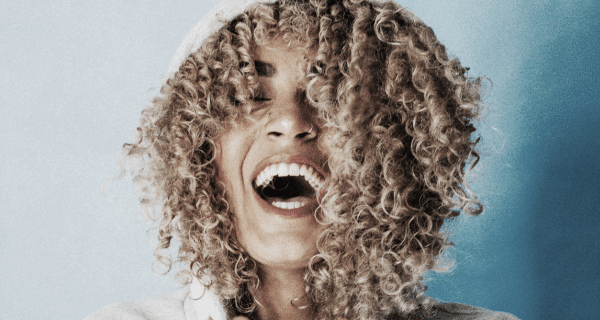

Used under a Creative Commons Licence
SMILING FOR THE CAMERA!
This is an updated version of an old post, click here to see the original.
Your brand, their face — getting image use right in 2026
Today, brands work with a wide range of faces: professional models, influencers, customers, staff and “friends of the label”. The images captured are not confined to a lookbook or a printed catalogue. They appear across websites, online stores, Instagram, TikTok, EDM campaigns, press kits, paid social ads, out‑of‑home advertising and sometimes even in AI‑assisted marketing materials.
A signed model release is essentially a written permission form that sets out what you are allowed to do with a person’s image. Without it, you may find yourself being asked to take down campaigns, pay additional fees or defend a claim that you have misused someone’s likeness. Even if the person initially seemed relaxed about being photographed, opinions can change quickly when an image is blown up on a billboard, appears in a context they do not like, or remains online long after they expected.
Model releases become even more important where the same face becomes closely associated with your brand. If you use a model repeatedly and build campaigns around them, their image becomes part of your business identity. Should that relationship sour or expectations differ, you need a clear document to fall back on.
The digital shift and AI‑driven imagery
Most jobs and collaborations now begin and end online. Images arrive via file‑sharing links, internal content systems or cloud storage. Influencer content can be shot in one country and reused by a brand in another within minutes. That convenience increases the speed and reach of your campaigns, but it also increases the potential for misunderstandings.
Digital tools make it easy to crop, filter, retouch and remix images. AI systems can generate new images from existing faces or combine images in ways that create “synthetic” people. If your marketing team feeds real model images into such tools, the boundaries between the original and the derivative content can become blurred. Without clear consent for this kind of processing and reuse, you may be walking into untested legal territory.
A modern model release should therefore address not just traditional uses such as print and web, but also digital transformations, composites, AI training, and the possibility of future technologies. The more candid you are with your models about how the images may be used, the less likely they will feel blindsided later.
Authorisation, copyright and image use
In Australia, copyright law recognises that a person may infringe not only by doing the act themselves but also by authorising someone else to do it. In the context of images, this means that if you use a photographer’s work or a third‑party image without proper rights, you may be infringing copyright, and if you allow others to use it in a way you control or direct, you may also be seen as authorising that infringement.
For fashion labels, creatives and printers, this matters in several ways. If you commission a photographer, it is crucial to be clear about who owns the copyright in the images, what rights you are being given, and whether you can sub‑licence those rights to others such as stockists, media outlets or collaborators. If you work with stock images or user‑generated content, you need to be sure that the licences in place allow you to use the material in the way you intend.
Where models are involved, there is an overlay of rights. The photographer may own copyright in the photograph, but the person depicted may have separate rights relating to their image and privacy. A model release does not give you copyright; it gives you permission to use the person’s likeness as described. Both sets of rights should be considered when planning campaigns and negotiating contracts.
The emerging tort of privacy
For many years, Australian law did not recognise a standalone tort of privacy, and disputes about image use were often addressed through other areas such as breach of confidence, misleading conduct, defamation or passing off. That position is changing. Courts and law reform bodies have increasingly recognised the need for legal protection against serious invasions of privacy, and there have been repeated recommendations for a statutory cause of action.
At a practical level, this means that using someone’s image in a way that reveals personal information or places them in an embarrassing or sensitive context may expose you to claims that go beyond simple contract or copyright. For example, using a person’s image alongside a health‑related message, a controversial social issue, or sensitive subject matter without clear consent may be viewed as a misuse of private information.
Privacy concerns can also arise where images are captured in what a person would reasonably regard as a private setting, even if taken at an event. Behind‑the‑scenes content, dressing room footage or candid shots can feel harmless when shared informally, but once used in advertising or widely published, they may cross a line.
As privacy law develops, expect more disputes that combine elements of image rights, confidentiality and data protection. This is one more reason to ensure that your consent processes are robust and that your model releases are clear, fair and transparent.
How model releases and privacy interact
Model releases and privacy protections are closely linked. A release that deals only with payment and duration, without explaining context and likely uses, may not provide much comfort if a person claims they did not understand what they were agreeing to. Conversely, a well‑drafted release that clearly explains the scope of use, potential platforms and future applications can provide strong evidence that the person gave informed consent.
For adults, informed consent means they have been told what you plan to do with their image, how broadly it will be distributed, whether it may be combined or edited, and how long it will be used. For minors, it is essential that a parent or guardian signs on their behalf and that the proposed uses are appropriate for their age and circumstances.
Privacy is not only about legality; it is also about trust. Even if you could argue that a particular use falls within a technical reading of a release, that does not mean it is wise or brand‑safe. A more cautious approach, where you seek updated consent for materially different uses or major new campaigns, is often better for long‑term relationships and reputation.
Practical tips for brands, creatives and printers
Take consent seriously from the outset. Do not treat model releases as an afterthought to be signed hurriedly on the day of the shoot. Build image consent into your planning process, brief documents and budgets so that everyone understands its importance.
Tailor your model releases. Avoid the temptation to download a generic template and hope it fits. Consider your real channels, from websites and EDMs to billboards, retail displays, lookbooks, social media and potential AI‑driven uses, and make sure these are reflected in the document in clear, everyday language.
Clarify rights with photographers and agencies. Ensure your agreements with photographers, agencies and creatives align with your model releases. If the photographer’s contract limits how images can be used, or the agency imposes specific terms for talent, those conditions should be reconciled so that you are not caught between conflicting obligations.
Think about time and territory. Decide how long you realistically need to use the images and in which countries or markets. Long, open‑ended licences may not be necessary and can be a flashpoint for disputes. Time‑limited or campaign‑limited rights, with options to renew, are often more manageable for everyone.
Review your processes regularly. Marketing practices change quickly. What was “standard” even a few years ago may not reflect current technology or audience expectations. Periodic legal reviews of your image use practices, model releases and privacy notices can help keep you aligned with both the law and public sentiment.
How a law firm can help
A law firm experienced in intellectual property, media and advertising can play a practical, commercial role in helping you manage these risks. For example, it can review how you currently commission and use imagery, identify where disputes are most likely to arise and suggest simple improvements that fit your workflow rather than fight against it.
Legal support can also include drafting or refining model release forms that match your brand’s tone and marketing channels, preparing template photographer and influencer agreements that dovetail with those releases, and creating internal guidelines so that your team knows when to seek extra consent or legal input. Where a dispute arises, experienced lawyers can help you navigate takedown requests, negotiations with talent or agencies and any associated reputational issues.
Ultimately, investing time in getting your documentation and processes right usually costs far less than pulling a national campaign, re‑shooting your imagery or dealing with a formal complaint.
Take the next step
If you’ve ever wondered whether you really own the rights to the images in your campaigns, or if your model releases would stand up to scrutiny, now is the time to act. The legal landscape has moved on — privacy, AI, and image rights are no longer grey areas but very real business risks for creatives, fashion labels, photographers and printers.
At Sharon Givoni Consulting, we help businesses like yours stay ahead of the curve. We work with fashion brands, agencies, designers and content creators every day — people who live and breathe visuals but don’t have time to navigate the fine print.
We can step in to:
- Audit how you use imagery and uncover hidden copyright or privacy risks before they turn into disputes.
- Draft or refresh your model release forms, influencer contracts, and photographer agreements so they match modern marketing practices.
- Clarify who owns what in your creative process — from images to logos to digital assets — so you control your brand story with confidence.
- Put practical, easy‑to‑follow workflow checklists in place for your team to prevent accidental breaches.
- Advise on AI‑related image use, emerging privacy laws, and how to future‑proof your campaigns.
- If your business relies on people’s images, now is the moment to tighten your processes, protect your reputation and get peace of mind that your legal foundations are solid.
- Let’s make sure the only headlines you’re making are for your brand — not for a legal dispute.
Further Reading
Using photographs of people in advertising – understanding consent and image rights
https://www.sharongivoni.com.au/using-photographs-of-people-in-advertising
Social media, selfies and the law: who owns your image online?
https://www.sharongivoni.com.au/social-media-selfies-and-the-law
Fashion law in Australia: protecting your brand, designs and campaigns
https://www.sharongivoni.com.au/advertising-endorsements-and-influencers-legal-traps
Advertising, endorsements and influencers: legal traps for brands
https://efa.org.au/3d-printing-issues/
Copyright, contracts and creatives: getting your paperwork right from the start
https://www.sharongivoni.com.au/copyright-contracts-and-creatives
Please note the above article is general in nature and does not constitute legal advice.
Please email us info@iplegal.com.au if you need legal advice about your brand or another legal matter in this area generally.