





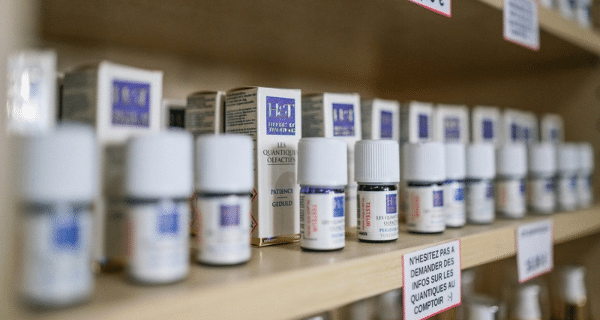

Photo by thlt-lcx from Unsplash
Part 2 of 5 – Overview of the TGA
WHO SHOULD READ THIS?
This article is particularly relevant to:
- Businesses selling vitamins, supplements and wellness products
- Importers, manufacturers and distributors of health products
- Pharmacies, clinics and online health retailers
- Medical device and health technology businesses
- Marketing agencies and influencers promoting health products
- Entrepreneurs developing new health-related products
Whether you are launching a supplement, importing a health product or developing a new wellness brand, understanding the regulatory landscape is an important part of doing business in Australia.
Introduction: More Than Just a Health Product
A bottle of vitamins, a packet of painkillers and a medical device may look like very different products.
But all three can fall within Australia’s therapeutic goods regulatory framework.
What may surprise businesses is that the legal position is not always determined simply by what a product contains or what it does.
How a product is described, packaged, promoted and intended to be used can also be important.
For example, a product marketed as supporting general wellbeing may raise different regulatory considerations from one promoted as treating a medical condition.
And that distinction can have significant commercial consequences.
In Part 1 of this series, we looked at how food is regulated in Australia. This article explores the laws governing therapeutic goods and some of the issues businesses commonly encounter.
1. What Are Therapeutic Goods?
Therapeutic goods are principally regulated under the Therapeutic Goods Act 1989 (Cth).
The Act defines therapeutic goods broadly and covers a wide range of products, including medicines, many vitamins and supplements, medical devices and certain biological products.
The Therapeutic Goods Administration (TGA) is the principal Commonwealth regulator.
However, not every product associated with health or wellbeing is necessarily a therapeutic good.
Some products may instead be regulated as foods, cosmetics or general consumer goods.
Others may fall within specific exclusions or exemptions.
The distinction can be particularly important for businesses developing products that sit somewhere between these categories.
A key legal issue is determining which regulatory framework applies before important commercial decisions are made.
That question may influence how a product is developed, imported, packaged, marketed and supplied.
2. How Are Therapeutic Goods Regulated?
Australia has a detailed regulatory framework governing therapeutic goods.
The principal legislation includes the Therapeutic Goods Act 1989 (Cth), the Therapeutic Goods Regulations 1990 (Cth) and the Therapeutic Goods (Medical Devices) Regulations 2002 (Cth).
The framework addresses matters such as product classification, market entry, manufacturing, safety, quality and advertising.
One important feature is the Australian Register of Therapeutic Goods (ARTG).
Many therapeutic goods require inclusion in the ARTG before they can be lawfully supplied in Australia, although exceptions and alternative pathways exist.
Medicines and medical devices are also subject to different regulatory requirements depending on their nature and classification.
For businesses, the difficulty is often not simply identifying the relevant legislation.
It is understanding how the rules apply to a particular product and whether additional requirements may arise under other laws.
For example, state and territory medicines and poisons legislation and the Australian Consumer Law may also be relevant.
3. Common Legal Issues for Businesses
In practice, therapeutic goods law can raise a range of commercial and legal questions.
Is the product regulated as a medicine, food or something else?
A business may develop a supplement, powder, drink or wellness product without appreciating that its ingredients, intended purpose or marketing claims could affect its legal classification.
The distinction between food and therapeutic goods is not always obvious.
Getting that classification wrong may affect a product’s ability to enter the Australian market.
Can a product approved overseas be sold in Australia?
Businesses importing health products sometimes assume that overseas approvals or certifications will be sufficient.
However, Australia has its own regulatory framework.
The relevance of overseas approvals and the requirements for Australian supply depend on the particular product and circumstances.
What can businesses say about their products?
Advertising is a particularly important area.
The Therapeutic Goods Act 1989 (Cth) and the Therapeutic Goods (Therapeutic Goods Advertising Code) Instrument 2021 impose restrictions on certain therapeutic goods advertising.
Claims about health benefits, medical conditions and product effectiveness can raise legal issues.
These questions may arise in packaging, websites, social media campaigns and influencer promotions.
The Australian Consumer Law may also apply, particularly where representations could be misleading or deceptive.
What happens when a product changes?
A business might reformulate a product, introduce new ingredients, change its packaging or expand its marketing claims.
Changes that appear commercially minor may have regulatory implications.
This is one reason why therapeutic goods compliance is not necessarily something businesses can consider once and then forget.
Who is legally responsible?
Questions may also arise about the responsibilities of manufacturers, importers, sponsors, distributors and retailers.
Where several businesses are involved in bringing a product to market, their respective legal and commercial obligations can become important.
4. Advertising and the Risks of Getting It Wrong
Advertising is one of the areas where therapeutic goods regulation can have particularly significant consequences.
Businesses may understandably want to highlight the health benefits of their products.
However, therapeutic goods advertising is not governed solely by ordinary marketing principles.
Specific restrictions may apply to certain products, claims and promotional activities.
The Federal Court decision in Secretary, Department of Health v Peptide Clinics Australia Pty Ltd [2019] FCA 1107 illustrates the potential seriousness of unlawful therapeutic goods advertising.
The case concerned the promotion of prescription-only medicines and resulted in substantial financial penalties.
Although the case arose under the regulatory requirements applicable at the time, it remains an important reminder that therapeutic goods advertising can attract serious legal consequences.
For businesses, the issue is not simply whether a claim sounds persuasive or whether competitors are making similar statements.
It is whether the proposed representation is legally permissible in the particular circumstances.
5. Why Legal Advice Can Be Valuable
Therapeutic goods law is an area where relatively small commercial decisions can raise surprisingly complicated legal questions.
A product name, a sentence on a label, a proposed health claim or an overseas supply arrangement may involve several overlapping regulatory requirements.
Businesses may also find themselves dealing with more than one legal framework, including therapeutic goods legislation, the Australian Consumer Law and relevant state and territory laws.
This is where legal advice can be particularly valuable.
For example, legal input during product development or before a new marketing campaign may help identify issues that could otherwise become more difficult or expensive to address later.
It can also help businesses understand how regulatory requirements interact with commercial arrangements, contractual responsibilities, intellectual property rights and advertising strategies.
Importantly, legal advice is not necessarily about finding reasons why a business cannot proceed.
It can also be about understanding the available options, identifying legal risks and making informed commercial decisions.
The appropriate approach will depend on the product, the business and the circumstances.
6. Questions Businesses Should Consider
Some of the questions that commonly arise include:
- Is the product legally classified as a therapeutic good?
- What regulatory requirements might apply before it can be sold?
- Does overseas approval have any relevance in Australia?
- Could the product’s packaging or advertising create legal issues?
- Are the proposed health claims permissible?
- Who is responsible for compliance when several businesses are involved?
- Could changes to the product or its marketing affect its regulatory position?
- What other laws might apply?
These questions illustrate why general information about the regulatory framework may not provide all the answers for an individual business.
7. Final Thoughts: Turning Legalese into Legal Ease®
At Sharon Givoni Consulting, our motto is Turning Legalese into Legal Ease®.
The philosophy behind it is simple: the law may be complicated, but understanding the issues it raises should not have to be.
Therapeutic goods regulation is a good example.
Behind an ordinary bottle of vitamins, a supplement or a medical device may lie a complex network of legislation, regulatory requirements and commercial responsibilities.
For businesses, the challenge is often understanding how those rules apply to their particular products, claims and activities.
That is what this series aims to do: explain the legal landscape in accessible language, highlight issues that businesses may not have considered and demonstrate why the details matter.
Of course, understanding the general rules is only the starting point. Applying them to a particular product or business requires a closer examination of the facts and relevant law.
And one of the most interesting questions is also one of the most deceptively simple:
When is a product a food, and when is it a medicine?
That is where we turn next.
COMING NEXT IN THIS SERIES
Part 3 — Food or Medicine? Where Is the Line?
In the next article, we explore the boundary between food and therapeutic goods, including supplements, vitamins, functional foods and other products that may sit between the two regulatory frameworks.
We will look at why classification can be difficult and how seemingly small differences in product presentation and marketing may have important legal consequences.
KEY TAKEAWAYS
- Therapeutic goods are principally regulated under the Therapeutic Goods Act 1989 (Cth).
- The TGA is the main Commonwealth regulator.
- Not every health or wellness product is necessarily a therapeutic good.
- Product classification can affect how a product is imported, supplied and advertised.
- Therapeutic goods advertising is subject to specific legal restrictions.
- The Australian Consumer Law and other legislation may also apply.
- Early consideration of legal and regulatory issues can help businesses identify risks before they become costly problems.
Further Reading
Therapeutic Goods Administration
http://www.tga.gov.au/
Federal Register of Legislation
http://www.legislation.gov.au/
TGA guidance on therapeutic goods classification and advertising

Cosmetic or therapeutic good? Similar-looking products can face very different legal requirements depending on their ingredients, intended use and marketing claims. | Photo by Elsa Olofsson from unsplash
Please note the above article is general in nature and does not constitute legal advice.
Please email us info@iplegal.com.au if you need legal advice about your brand or another legal matter in this area generally.