






Credit: Alex Shuper
Green Marketing Legal Boundaries
This is an updated version of an old post, click here to see the original.
Why “overall impression” matters
On any food or drink label, the key legal question is: does the label, taken as a whole, give a misleading impression? A statement might be literally true, but still misleading when you consider:
- The pictures and graphics.
- The way the claim is framed (big bold claims vs tiny fine print).
- What an ordinary shopper, moving quickly down the aisle, would think the product is or does.
Two simple examples show the point:
“Baked not fried” – If consumers are likely to think “baked” means healthier, but the baked version has similar or higher saturated fat than the fried one, the overall impression may be misleading even if the product is technically baked.
“Made with real fruit” – If there is only a tiny amount of fruit and the product is mostly sugar, flavours and fillers, the headline can still mislead, especially if the packaging is covered in luscious fruit images.
Courts recognise that supermarket shoppers make quick, low‑involvement decisions, so they expect extra care from food businesses when using health and wellbeing messages.
Ignorance is not a defence. It does not matter if you did not intend to mislead, or if only some consumers are likely to be misled – that is enough for a breach.
Classic ACCC case studies on “healthy” claims
1. When oil isn’t oil
The ACCC took action against a company marketing “Aigeon Oil – 100% Extra Virgin Olive Oil” when testing suggested the product was not extra virgin olive oil. Extra virgin oil is perceived as higher quality and healthier, so the claim was important.
The company admitted the label was false and misleading and agreed to:
- Provide certificates of analysis showing compliance with the olive oil standard for three years.
- Write to small food retailers and restaurant customers admitting what had happened.
Lesson: Don’t label a product as something it is not, especially where quality or health perceptions are key. Call it what it actually is, not what you wish it were.
2. Cottee’s banana & mango cordial
Cadbury Schweppes used pictures of real bananas and mangoes on Cottee’s banana and mango‑flavoured cordial, even though the product only contained flavouring, not actual fruit extracts.
The court accepted the ACCC’s argument that:
Even though the word “flavoured” appeared on the label,
The dominant images of fresh fruit would lead consumers to think the cordial contained real fruit.
Cadbury Schweppes had to pay most of the ACCC’s legal costs and, importantly, stopped selling the product.
Lesson: Big, appetising fruit images can overpower small‑print qualifiers. If you show fresh fruit, there needs to be a meaningful amount in the product.
3. Arnott’s Snack Right fruit bars
On Arnott’s Snack Right Apricot Fruit Slice packaging, the imagery showed only apricots – but the product apparently contained just 1.7% apricot pieces, compared with over 60% sultanas and 10.5% apple juice.
The ACCC considered this misleading. Arnott’s:
- Changed the packaging.
- Published a corrective notice on its website.
- Undertook not to engage in similar conduct again.
Lesson: Ensure your pictures match your ingredient reality. If apricots are a minor component, don’t present them as the hero.
4. Uncle Tobys Roll‑Ups “flattened fruit”
Complaints from health organisations prompted an ACCC inquiry into Uncle Tobys Roll‑Ups. Advertising suggested the product was made simply by flattening real fruit, when in fact it contained various added ingredients and underwent industrial processing.
As part of resolving the matter, Uncle Tobys:
- Stopped using ads that showed an apple being flattened into a Roll‑Up.
- Published material for the food industry about the importance of accurate advertising.
Lesson: Be very careful with claims or imagery that imply a simple, “whole food” process when the reality is more complex.
5. Coca‑Cola “Motherhood & Myth‑busting” campaign
- Coca‑Cola ran full‑page “Motherhood & Myth‑busting” ads in newspapers, written in an educational tone, suggesting that:
- Coke does not make you fat or contribute to obesity.
- Coke does not rot your teeth.
- Diet Coke only has half the caffeine of tea.
- A responsible parent can include Coke in a family diet without concern for weight gain or tooth decay.
The ACCC considered these claims likely to mislead. Coke entered into court‑enforceable undertakings, including:
- Stopping the campaign.
- Running prominent corrective ads.
- Implementing a trade practices compliance program.
Lesson: If you run “myth‑busting” or “fact vs fiction” style campaigns about nutrition, you must be scrupulously accurate. Educational tone does not excuse misleading impressions.
From “healthy” to “green”: modern ACCC greenwashing focus
In recent years, the ACCC has made environmental and sustainability claims one of its key enforcement priorities. It has:
- Conducted internet sweeps of green claims across industries.
- Published detailed guidance, including eight principles for trustworthy environmental and sustainability claims.
- Started enforcement action, including its first Federal Court greenwashing case (for example, over “recycled” claims on plastic bags).
The same basic rules apply to green claims as to health claims:
- Claims must be accurate, clear and not misleading.
- Businesses need evidence to back up green statements (e.g. “100% recycled”, “carbon neutral”, “plastic‑free”).
- Fine‑print disclaimers cannot undo a bold, misleading headline or graphic.
- Combined with ASIC’s separate crackdown on greenwashing in financial products, it’s clear that regulators view misleading “green” messaging as a serious issue.
Fun facts: when “healthy” claims go wrong
“100% extra virgin” oil that wasn’t – A “100% extra virgin olive oil” label led to undertakings after testing suggested it wasn’t extra virgin.
Fruit on the label, not in the bottle – Cottee’s banana & mango cordial showed real fruit but used flavouring only.
Apricot bars with mostly sultanas – Snack Right apricot slices featured apricots on pack, but had just 1.7% apricot and much more sultana and apple juice.
Flattened fruit that wasn’t just fruit – Roll‑Ups ads implied simple flattened fruit, but other ingredients and processes were involved.
Coke that “doesn’t make you fat” – Coca‑Cola’s myth‑busting ads had to be withdrawn and corrected after the ACCC stepped in.
How we can assist you
We work with food, beverage and FMCG businesses to develop truthful, compliant and effective health and environmental claims. We can help you:
- Review labels, packaging and advertising for compliance with the Australian Consumer Law.
- Design “lite”, “natural”, “organic”, “no added sugar” and similar claims that are properly substantiated.
- TAudit existing health and green claims against ACCC guidance and recent case law.
- Respond if the ACCC queries your marketing or if competitors complain.
Before you roll out a major health or green marketing campaign, it is worth getting your claims checked. Fixing a problem early is far cheaper – and far less public – than dealing with a regulator and corrective advertising later.
Further Reading
ACCC – Environmental and sustainability claims (guide and examples)
ACCC – Eight principles for trustworthy environmental claims
https://www.accc.gov.au/media-release/accc-releases-eight-principles-to-guide-businesses%E2%80%99-environmental-claims
ACCC – “ACCC acts on Coca‑Cola myth‑busting” (media release)
https://www.accc.gov.au/media-release/accc-acts-on-coca-cola-myth-busting
ACCC – Misleading Claims and the Trade Practices Act (case examples, including food and “shot” claims)
https://www.accc.gov.au/system/files/Misleading%20Claims%20and%20the%20Trade%20Practices%20Act.pdf
Common “green” claims
- “100% recyclable” – Misleading if parts (labels, caps, mixed materials) can’t be recycled in normal kerbside bins.
- “Carbon neutral” – Risky if you can’t clearly show how emissions were measured, reduced and offset, and for what period.
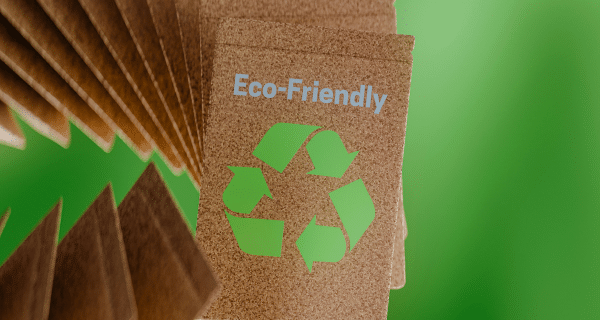
- “Sustainable” / “eco‑friendly” – Too vague if there’s no specific, verifiable environmental benefit behind the slogan.
- “Biodegradable” plastics – Problematic if products only break down in special conditions, not in ordinary use or landfill.
- “Zero emissions” / “100% green” energy – Can mislead if the claim relies mainly on offsets or averages without explanation
Please note the above article is general in nature and does not constitute legal advice.
Please email us info@iplegal.com.au if you need legal advice about your brand or another legal matter in this area generally.