





Used under a Creative Commons Licence
Remixes and “messing around” with art
This blog is about how everyday remixing of popular culture – from memes and mash‑ups to AI images and Etsy fan merch – sits alongside copyright law, and what that means for businesses that are either being copied or doing the copying. In other words, it looks at where “just having fun online” stops and legal risk starts.
It’s written for business owners, marketers, creatives and their lawyers, and it asks one core question: when does “messing around” with existing culture become a legal problem? As Pablo Picasso is often quoted as saying, “Good artists copy, great artists steal” – but modern copyright law does not always agree with that sentiment.
Popular culture is the shared pool of songs, images, characters, memes and moments that everyone recognises – Marvel‑style clips, viral TikToks, famous album covers, that one song you hear on every Reel. Creators have always played with these building blocks: sampling in hip hop, fan edits of films, collage art using logos and ads. Legally, though, the underlying songs, films, logos and artworks are usually protected by copyright, so taking a “chunk” without permission or an exception can still infringe, even if the remix looks clever and new. In other words, just because something feels new or fun does not mean the law sees it that way.
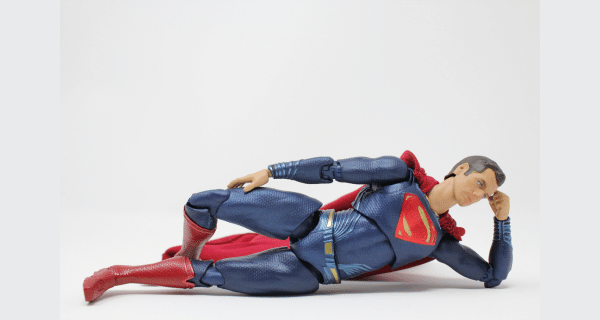
- An online seller offering dog costumes with a very close copy of the Superman “S” shield – cute in theory, but in practice likely to infringe DC’s copyright and trade marks unless there’s a proper licence.

Used under a Creative Commons Licence
- A small online shop selling key rings and T‑shirts with a famous movie quote and recognisable character silhouette – what they see as “fan art” is, in law, likely use of someone else’s script and imagery.
- A café copying the look of an iconic album cover for posters and menus – fun homage in practice, but potentially substantial copying of the original artwork’s expression.
- A brand using a trending song in a Reels ad without a commercial music licence – normal on social media, but still public, commercial use of a copyrighted track.
- A label feeding customer images into an AI tool and using outputs that closely resemble a well‑known fashion shoot – creative from a marketing view, but risky if the new images repeat key elements of the original.
As Albert Einstein said, “Creativity is intelligence having fun” – but when money and other people’s rights are involved, that “fun” needs some guardrails.
Real‑life examples of “legal” remixing for business
Licensed fan art on platforms
Some marketplaces run official fan‑art programs where creators can legally sell designs based on certain franchises, because the platform has negotiated permission with rights holders (for example, Redbubble’s branded fan‑art partnerships). In other words, the remix is allowed because someone, somewhere, has actually done the licensing work in the background.
Brands using cleared “trending” music
Canva’s TikTok campaigns use tracks from TikTok’s Commercial Music Library, which is specifically licensed for business use, instead of just dropping in any viral song. This shows how a brand can still feel “on trend” while using music that has been properly cleared for commercial use.
AI and image rights in fashion
Large brands experimenting with AI “digital twins” and virtual models (for example, H&M and Nike in recent campaigns) are starting to treat this like any other shoot – negotiating image rights and usage up front so the AI outputs are covered by proper agreements. In other words, they assume that AI is not a magic legal shield, and they lock down contracts and permissions first.
In the book Copyfight, Marc Fennell talks about an “internet sandwich” image, and he says that pop‑culture content is the “meat” being shared and remixed, and the “bread” is the platforms and marketplaces (YouTube, TikTok, Etsy, Redbubble and so on) that package and monetise it. So the copyfight is not just between the original creator and a fan; it’s about how all of this is turned into traffic and revenue.
If your business is being copied
If you think someone is copying your business, start by asking a few simple questions. In other words, do a quick “gut check” before you panic or send anything.
- Is what they’re using clearly yours – for example your logo, photos of your products, your artwork or your characters?
- Are they using it to make money – like putting your photo on T‑shirts or your illustration on mugs they sell?
- Are they really making a joke or commentary (a true parody), or are they just trying to get a free ride from your hard work?
In legal terms, the law looks at whether what they are using is recognisable as your work, how much of it they took, and whether the use is commercial.
- If there is a problem, there are different tools you can use, from quiet to loud:
- Asking a platform (like Instagram, Etsy or YouTube) to take it down.
- Sending a polite but firm letter asking them to stop.
In serious cases, getting lawyers involved and, as a last resort, going to court.
The “right” response depends on how big the risk is, what proof you have, and what is best for your brand in the long run. As the old saying goes, “Just because you can fight every battle doesn’t mean you should.”
If your business is being copied
If your business uses other people’s content – photos, art, characters, music, clips – you also need to pause and check what you are doing. In other words, don’t just copy‑paste and hope for the best.
Ask yourself:
- Are you using something that people will easily recognise, without any licence or permission?
- Are you telling yourself “everyone else does it” and hoping that makes it legal?
- Are you assuming that anything made by AI is always safe to use, just because a machine created it?
The law in this area is often grey, not black‑and‑white. People sometimes argue that they have “transformed” the original work, that there is an implied permission, or that platform terms allow certain uses – but none of these arguments are guaranteed to win.
That is why it helps to have simple internal rules and a sign‑off process (for example, checking bigger campaigns or products before they go live), instead of just hoping for the best. In other words, make “check the rights” as normal as “check the spelling”.
What the law actually says
The basic idea is straightforward, even if the details can be complex.
Copyright gives creators exclusive rights to their work (like copying, publishing and communicating it to the public).
There are only limited exceptions where you can use someone else’s work without permission, such as some kinds of parody, review or news reporting, and these are narrow.
Consumer law can still be relevant – for example, if you provide creative or marketing services and you do not exercise due care and skill, there may be legal consequences.
Each situation depends on how much was taken, how it was used, what any contracts say, and what the platform’s terms and conditions allow.
The key message is that answers are rarely completely clear‑cut, and that is why this “copyfight” over fan art, merch and memes keeps flaring up online. As the writer Margaret Atwood once put it, “A word after a word after a word is power” – and when those words and images belong to someone else, that power is regulated.
Because the law is not black and white, and because small details (what was taken, how it was changed, what the contract says) can change the outcome, these questions should ideally be reviewed by a lawyer who understands copyright and consumer law in a commercial context.
Where this leaves your business
All of this matters whether:
- You are the business that is being copied, or
- You are the one leaning on pop culture, fan art, memes or AI content and want to know if you have gone too far.
If your business is in its own “copyfight” – whether someone has copied you, or you are unsure if you are allowed to use certain content – Sharon Givoni Consulting can help you work out where the line is for your situation, and when to push back, seek permission, or rethink the creative approach.
In other words, you don’t have to guess where you stand – you can get tailored advice before it becomes a problem.
Further reading – Sharon Givoni Consulting
Is AI Stealing Your Style? Navigating Copyright in the Age of AI
https://sharongivoni.com.au/is-ai-stealing-your-style-navigating-copyright-in-the-age-of-ai/
How Does Copyright Law Work with AI?
https://sharongivoni.com.au/protecting-your-creativity-why-copyright-matters-for-australian-creators/
Can You Copyright an Idea? Not Quite!
https://sharongivoni.com.au/can-you-copyright-an-idea-not-quite/
Can You Protect Your Book Title? Copyright and Trade Mark
https://sharongivoni.com.au/protect-your-book-title-copyright-trade-mark/
Please note the above article is general in nature and does not constitute legal advice.
Please email us info@iplegal.com.au if you need legal advice about your brand or another legal matter in this area generally.