





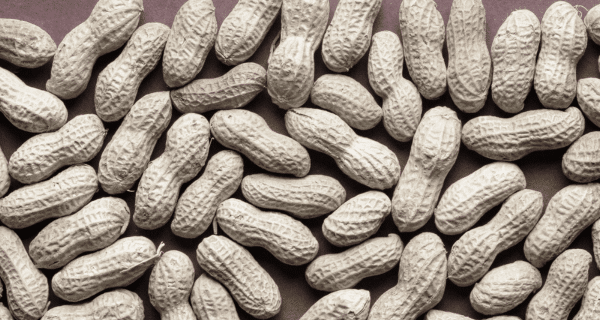

Used under a Creative Commons Licence
Is Your Peanut Warning a Help or Hurdle under the law? Looking at May Contain statements
May Contain statements and the law
Peanut labelling law in Australia is not simple or black and white, especially when it comes to “may contain peanuts” statements. These warnings sit in a tricky space between the Food Standards Code, Australian Consumer Law and real‑world risk assessments in factories, which is why tailored legal advice is often essential rather than optional. There is law, there is science, and there is your actual production line – and they do not always line up neatly.
Peanuts themselves look harmless, but for some people even tiny traces can cause a severe allergic reaction or life‑threatening anaphylaxis. That makes peanuts one of the highest‑risk food allergens in Australia and turns a cheap, common ingredient into both a safety challenge and a legal headache for food businesses. A smear of peanut butter left in a pipe or a few crumbs on a shared line can be enough to put a vulnerable consumer in danger.
This article does not answer every question or cover every scenario you might face in your own business. It is not legal advice and should not be relied on as a substitute for advice about your specific products, processes or labels. If you are unsure how the law applies to your situation, you should speak with a qualified food and consumer law professional who can look at your documents, your site and your risk profile in detail.
Peanut allergy is common in Australian children and adults and is frequently linked with severe reactions. For some highly sensitive people, even microgram amounts of peanut protein – dust, residue or traces – can trigger anaphylaxis, which requires emergency adrenaline and urgent medical care. Because there is no cure and avoidance is currently the only effective prevention strategy, clear, accurate peanut labelling is not just a regulatory requirement; it is a critical part of how allergic consumers stay safe every day
Peanut labelling law in Australia has some clear rules, but there are also many grey areas. This is especially true for “may contain peanuts” wording, which is voluntary and needs careful thought rather than a tick‑box approach. The law asks you to be clear and honest with consumers, but it does not give a simple yes/no answer for every situation a food business might face.
Key peanut risk points
Peanut is one of the “must declare” allergens under the Food Standards Code. It has to appear on the label whenever it is an ingredient, an additive, a processing aid or part of another ingredient in the product. This is why you will see “peanut” clearly named in the ingredients list and again in a “Contains: peanut” summary statement on compliant packaged foods.
There is currently no cure for peanut allergy, so strict avoidance is the only real way for allergic consumers to manage their risk. Because even very small amounts can cause serious reactions in some people, clear, accurate labelling is critical for safety and for daily decision‑making by consumers and families.
Peanuts can also show up in places people do not expect, such as sauces, confectionery, bakery items, snack mixes and imported foods. This is one reason allergic consumers are told to read every label every time and to pay close attention not just to the ingredients list but also to any extra “may contain peanuts” or “may be present: peanuts” warnings.
“May contain peanuts” claim
Under the Food Standards Code, the position is fairly straightforward on ingredients: peanuts must be declared, and there must be a separate “Contains: peanuts” allergen summary statement. By contrast, precautionary allergen labelling (PAL) such as “may contain peanuts”, “may be present: peanuts” or similar wording is voluntary and is not set out in detailed black‑letter rules in the Code.
However, PAL is not a blanket disclaimer you can put anywhere. Guidance from FSANZ, state authorities and the Allergen Bureau makes it clear that “may contain” statements should only be used when there is a real, residual risk of allergen cross‑contact that cannot reasonably be controlled, and should be backed by a documented risk assessment such as the VITAL® Program. The idea is that PAL should reflect genuine risk, not just guesswork or marketing convenience.
As soon as you try to apply that guidance in real factories, “may contain peanuts” becomes less black and white. Reasonable people can differ on questions such as how clean is “clean enough” between peanut and non‑peanut runs, when a shared line can run without PAL, and when “May be present: peanuts” is needed because the residual risk is still too high. There is also debate about what level of trace peanut is negligible versus a meaningful risk for highly sensitive consumers, which can depend on the science, the product and the consumer group you are thinking about.
Because of all this, different businesses, auditors and regulators may draw the lines in slightly different places, even when they are all acting in good faith and trying to follow the same guidance. That is a big part of why peanut PAL is not black and white and why there is no one‑size‑fits‑all answer that works for every factory and every product.
Peanut warnings and Australian Consumer Law
Even though “may contain peanuts” statements are voluntary under the Food Standards Code, they still have to comply with Australian Consumer Law (ACL). This means labels and marketing must not be misleading or deceptive and must not make false or misleading representations about the nature or characteristics of the food. The ACL looks at the overall impression created by words, images and omissions, not just whether a particular sentence is technically correct.
In practice, this creates risks at both ends of the spectrum. If a business over‑uses “may contain peanuts” and adds it to everything without a genuine risk assessment, it can mislead consumers by suggesting a risk that is not really there or by making peanut labelling so vague that it stops being useful. On the other hand, if a business under‑uses PAL or omits it when there is a known, unmanaged cross‑contact risk, it can also mislead consumers and may face recalls or enforcement action if undeclared peanut is later found in finished products.
The ACL tests are flexible and depend very much on the facts. Two peanut labelling situations that look similar at first glance can be treated differently once you factor in the exact product, the target market, the label design and the evidence behind the PAL decisions. This is another reason why peanut labelling law cannot be reduced to a short checklist or a quick yes/no flow chart.
Safer habits for peanut labelling (not legal advice)
There are some broad habits that many Australian food businesses use to manage peanut labelling more safely, without turning this into individual legal advice. First, they treat peanut as a high‑risk allergen in their food safety systems, training staff and checking suppliers with that in mind. Peanut risk is built into HACCP plans, cleaning procedures, changeover rules and product development from the start, not added as an afterthought.
Second, they focus on getting the mandatory “Contains: peanuts” declarations correct before worrying about PAL, including checking compound ingredients, flavours and processing aids that might contain peanut. That means mapping every input against the Schedule 9 allergen list and making sure the ingredient list and summary statement match and use the required plain‑English names.
Third, they use structured tools such as the Allergen Bureau’s VITAL® Program or similar frameworks to decide when “May be present: peanuts” is appropriate and when it is not. These tools help translate complex processes into clearer decisions about whether the residual cross‑contact risk is low enough to skip PAL or high enough that a standardised PAL statement is the responsible choice.
Fourth, they avoid blanket “may contain peanuts” wording that is not tied to a specific, documented risk, and they are careful about mixing strong “peanut free” style claims with any peanut PAL on the same pack, because that combination can easily confuse or mislead consumers. Labels are checked not just by QA but also against marketing claims and consumer‑law expectations, so the overall message about peanuts is consistent.
These ideas are only a starting point. The right approach for any particular business depends on its products, equipment, cleaning capability, supply chain and risk appetite, and those details matter a lot when you are dealing with both allergen rules and consumer‑law standards. Because peanut labelling pulls together technical guidance, science and broad legal concepts—and because the cost of getting it wrong can include serious harm to consumers, recalls and regulatory action—obtaining tailored legal advice on your allergen and PAL strategy is strongly recommended instead of relying on general articles or online FAQs.
Further Reading
FSANZ – Allergen labelling for food businesses (overview of mandatory allergen declarations and PEAL requirements)
https://www.foodstandards.gov.au/business/labelling/allergen-labelling
Allergen Bureau – VITAL® Program – Voluntary Incidental Trace Allergen Labelling (risk‑based framework for deciding when to use “May be present: peanuts” and other PAL statements)
https://vital.allergenbureau.net/vital-program/
Food Allergy Aware / National Allergy Council – Reading food labels for food allergens (consumer‑focused guidance showing how peanut and other allergens appear on packs, including PAL)
https://foodallergyaware.org.au/everyone/reading-food-labels-for-food-allergens
ASCIA – Dietary Avoidance for Food Allergy Frequently Asked Questions (FAQ) (clinical and practical information on strict avoidance of peanuts and other allergens)
https://www.allergy.org.au/patients/food-allergy/ascia-dietary-avoidance-for-food-allergy-faq
Allergy & Anaphylaxis Australia – Reading labels & ingredients (practical label‑reading tips, including PEAL and “may contain” statements)
https://allergyfacts.org.au/living-with-allergies/daily-management/reading-labels-ingredients/
Relevant food‑law articles by Sharon Givoni:
Australian Food Labelling Laws 2025 Made Easy (plain‑English guide to FSANZ, allergen rules and ACL issues for food businesses)
https://sharongivoni.com.au/australian-food-labelling-laws/
Viral Food Trends vs Australian Food Labelling Laws (how “trendy” products and claims interact with labelling rules and the Australian Consumer Law)
https://sharongivoni.com.au/viral-food-trends-vs-australian-food-labelling-laws/
Please note the above article is general in nature and does not constitute legal advice.
Please email us info@iplegal.com.au if you need legal advice about your brand or another legal matter in this area generally.