





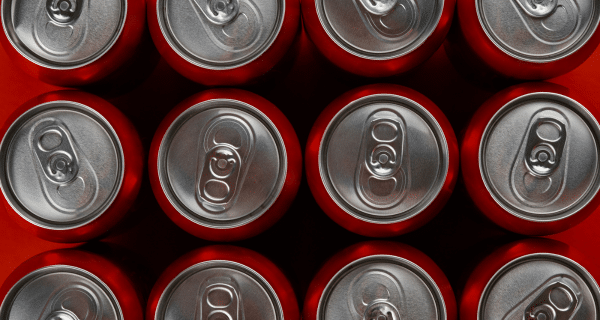

Credit: Andrej Lisakov
Caffeine Counts: Why Regulators Are Paying Attention
- a food or beverage brand (including energy, sports, or functional drinks)
- a founder, product manager, or marketer handling formulation, labelling, or advertising
- a manufacturer or importer of caffeinated products in Australia or New Zealand
- a retailer or distributor managing regulatory or reputational risk
- a lawyer, compliance adviser, or consultant in food or consumer law
- a health or “better-for-you” brand using natural caffeine or performance claims
In short, if your product contains caffeine—added or natural—you need to read this.
A decade ago, caffeine mostly lived where you’d expect it to: coffee, tea, maybe a cola if you were feeling rebellious.
Now it seems to be everywhere—energy drinks, sports foods, “natural” caffeine blends, gummies, powders, and functional beverages that look suspiciously like lollies.
And here is the thing – many are pitched not at bleary-eyed adults, but at young people who probably don’t need chemical encouragement to stay awake.
Unsurprisingly, public health researchers started to raise an eyebrow. Then both eyebrows. And that is where we are at now.
Data is mounting on caffeine over-consumption, especially among children, adolescents, pregnant women, and people who are simply more sensitive to it. This is where things can get it a bit awkward for brands—because the issue isn’t just health. It’s also about whether consumers genuinely understand what they’re consuming, or whether clever labelling is doing a little too much of the thinking for them.
That tension—between safety, transparency, and marketing spin—is the backdrop to Australia’s recent (and ongoing) changes to caffeine and food labelling laws.
This update takes a look at all of this but the one big message is: Regulators are sending a clear signal: if you’re adding caffeine to food, consumers need to be able to tell what it is, why it’s there, and whether it’s actually a good idea for them.
Australia’s relationship with caffeine
What was once limited to coffee, tea and the occasional cola has expanded into energy drinks, sports foods, “natural” caffeine products, gummies, powders and functional beverages – many of which are heavily marketed to young people.
At the same time, public health data has raised increasing concerns about caffeine over-consumption, particularly among children, adolescents, pregnant women and caffeine-sensitive consumers. These concerns sit squarely at the intersection of consumer safety, truthful labelling, and misleading or deceptive conduct.
That is the backdrop to the recent and ongoing changes to Australia’s caffeine and food labelling laws.
At a high level, the law is catching up with the market – and the message from regulators is clear: if caffeine is added to food, consumers must be able to understand what it is, why it’s there, and whether it’s safe for them.
Why did Australia introduce a Caffeine Policy Guideline?
In response to growing evidence and international regulatory trends, the Australian and New Zealand food ministers issued a Ministerial Policy Guideline on the Regulatory Management of Caffeine in the Food Supply.
This Guideline sets expectations for how caffeine should be regulated across foods and beverages, and it directly informs the work of Food Standards Australia New Zealand (FSANZ) when developing or reviewing food standards.
Importantly, this isn’t just about health. It’s also about consumer understanding and fair trading.
The Guideline reflects a broader concern that caffeine is increasingly being added to products in ways that may confuse or mislead consumers – especially where caffeine is positioned as “natural”, “functional” or performance-enhancing.
The legal foundation
Under the Food Standards Australia New Zealand Act 1991, Food Standards Australia New Zealand (FSANZ) is required to develop and administer food standards with three core objectives, in descending order of priority:
- Protection of public health and safety
- Providing adequate information to enable informed consumer choice
- Preventing misleading or deceptive conduct
These objectives mean that food labelling is a consumer law issue, a safety issue, and a reputational issue for brands.
When it comes to caffeine, regulators are now explicitly asking:
- Does the label clearly disclose caffeine content?
- Does the product’s presentation downplay or obscure caffeine risks?
- Are vulnerable consumers likely to misunderstand what they are consuming?
- What does the Policy Guideline say about caffeine specifically?
Caffeine regulation
Caffeine regulation is no longer about individual products in isolation. Regulators are now looking at how caffeine is consumed across the whole diet, who is most affected, and what current science and overseas regulators are saying.
The focus has shifted to risk. Children, teenagers, pregnant women and caffeine-sensitive consumers are front of mind. That means marketing, presentation and likely use matter just as much as what’s technically on the label.
This is why energy drinks are under particular scrutiny. Even with existing limits and warnings, governments are questioning whether labelling alone is enough — especially where products appeal to younger consumers.
We’re already seeing the effects. Some retailers are pulling high-caffeine products, age-restriction debates are growing, and Australia is watching what’s happening overseas.
For brands, the risk is real. Excessive caffeine use in young people has been linked to health concerns, and products that push boundaries can attract both regulatory attention and public backlash.
At the same time, the rules themselves are still changing. FSANZ is reviewing caffeine permissions and labelling, with outcomes that could affect product formulation and marketing.
The bottom line is this: there are no simple answers. This is a nuanced, moving area, and getting it wrong can be costly. If your product contains caffeine, this is one area where getting proper legal advice early is far safer than trying to work it out yourself.
Key takeaways: Legal Ease, not Legalese®
Here’s the bottom line:
Australia’s caffeine laws are tightening because consumer trust matters. Regulators are responding to real-world consumption patterns, especially among young people, and are no longer satisfied with minimal disclosures.
If you operate in the food, beverage, energy drink or sports nutrition space, now is the time to:
- Review caffeine content and labelling
- Reassess marketing language and target audiences
- Monitor FSANZ developments closely
- Seek legal advice early, not after a product recall or complaint
Getting this right protects consumers – and it protects your brand.
Further Reading
Food Standards Australia New Zealand – Regulatory Management of Caffeine in the Food Supply
https://www.ipaustralia.gov.au/manage-my-ip/how-to-commercialise-my-ip/commercialisation-and-collaboration/ip-management-for-collaborations
Creative Workplaces – Contracts for creative work:
https://www.foodstandards.gov.au/
FSANZ – P1056 Caffeine Review Consultation Hub
https://consultations.foodstandards.gov.au/
Australian Government – Australian Consumer Law and Misleading Conduct
https://www.accc.gov.au/
NSW Government / Health – Energy Drinks and Children
https://www.health.nsw.gov.au/
“Food Labelling, Consumer Law and Brand Risk: What Businesses Get Wrong”
https://www.sharongivoni.com.au/food-labelling-consumer-law
“When ‘Healthy’ Marketing Becomes Misleading”
https://www.sharongivoni.com.au/misleading-health-claims
Please note the above article is general in nature and does not constitute legal advice.
Please email us info@iplegal.com.au if you need legal advice about your brand or another legal matter in this area generally.