





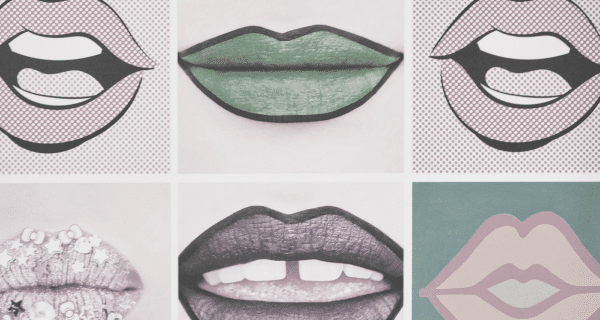

Used under a Creative Commons Licence
Can Surface Designers Use Online Images?
Surface designers and illustrators often ask the same question: “If I find a beautiful image online, can I use it in my pattern or product range?” It’s an easy trap to fall into – the internet is full of high‑resolution photos, vintage illustrations and artworks that look perfect for fabrics, wallpapers or stationery. But from a legal point of view, using those images is rarely as simple as copy‑and‑paste.
Sharon Givoni Consulting recently contributed to an article that unpacks this issue for surface designers in a clear, practical way. The piece, “Can Surface Designers Use Online Images? Avoiding Copyright Pitfalls”, appears on the Surface Design News section of the Rachael King Designs website, which is read by pattern designers and creative product businesses.
You can read it here:
https://rachaelkingdesigns.com/blog/usingonlineimagesinsurfacedesign
The core message of the article lines up with what we tell our own clients every week: under the Copyright Act 1968 (Cth), copyright protection is automatic in Australia. The creator of an original artwork, illustration or photograph owns copyright from the moment it is created – they don’t need to register it, and they don’t lose their rights just because the work has been uploaded to Pinterest or shared on social media.
For surface designers, that means:
- If you directly use someone else’s online image in your pattern, you may be infringing their copyright.
- If you trace, heavily reference or “clean up” an existing image, it may still be too close to the original to be considered your own work.
- If you are selling products – fabrics, wallpapers, prints, DIY kits – you are operating in a commercial context where the risk of a copyright complaint is much higher.
Fair dealing, orphan works and disclaimers
The article also touches on three areas that often cause confusion for our clients:
- Fair dealing: Australia’s “fair dealing” rules are quite narrow. They cover things like study, review, news, parody and legal advice – not selling products. In other words, if you’re putting an image on something you’ll sell, fair dealing almost never helps and you’ll usually need permission.
- Orphan works: an image with no clear credit can still be protected. “I couldn’t find the owner” is not a defence. In other words, if you don’t know who made it, you still shouldn’t treat it as free to use.
- Disclaimers: a disclaimer on your website or in a kit doesn’t fix an underlying copyright issue if you’re pointing people to unlicensed content. In other words, fine print can’t legalise something that was never allowed in the first place – the real solution is to only use properly licensed or original images.
How we help
The good news is that there are plenty of lawful, low‑stress ways to source imagery, and this is exactly where we can help. Sharon Givoni Consulting can walk you through options like public domain and museum collections, licensed stock imagery and illustration, and commissioning or creating original artwork – and, just as importantly, explain which choices make sense for your business, how to document permissions properly, and how to tweak your existing workflow so you’re inspired by what you see online without accidentally copying it.
At Sharon Givoni Consulting, we help surface designers, illustrators and product‑based businesses put this into practice.
That can include:
- Reviewing your portfolio and product lines.
- Checking whether your existing designs are too close to someone else’s work.
- Drafting or updating website terms and conditions.
- Preparing clear course, workshop and kit disclaimers.
- Drafting and negotiating licensing agreements for your artwork.
- Advising on infringement risks.
- Sending a letter if someone copies your designs without permission.
- Helping you respond if you receive a copyright complaint.
Our goal is always the same: to protect your creative practice and help you avoid copyright headaches before they start.
Please note the above article is general in nature and does not constitute legal advice.
Please email us info@iplegal.com.au if you need legal advice about your brand or another legal matter in this area generally.