






Used under a Creative Commons Licence
Can Someone Else Use Your Brand Name?
Lessons from the Katy Perry Trade Mark Battle
We all know who Katy Perry is. She is one of the world’s most recognisable pop stars – a global music icon behind hits like Firework, Roar and Teenage Dream. Her concerts sell out around the world, and her brand extends into merchandise, fashion and entertainment.
But in Australia, the name “Katy Perry” became the centre of a remarkable trade mark battle about who can use a brand name on clothing, and the dispute travelled all the way to the High Court of Australia. Surprisingly, the case was not really about music at all — it was about clothing, trade mark infringement and what happens when two businesses use the same name.
For Australian business owners, startups and creatives, the decision offers important lessons on brand protection, trade mark registration and what to do if someone else starts using “your” name.
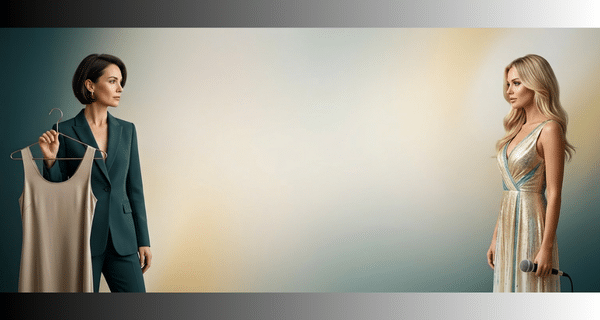
The two women behind the case
The case involved two women whose careers developed in very different ways.
Katie Perry – the Australian designer
Before the pop star became globally famous, Katie Taylor, another women – an Australian fashion designer, had already begun selling clothing under the name Katie Perry (a variation of her maiden name).
She later registered the trade mark KATIE PERRY in Australia for clothing. Have a look here: https://www.katieperry.com.au and on Instagram here: https://www.instagram.com/reel/DVuiQnlD9u0/
For many years, her fashion label operated locally, selling garments under that brand.
Katy Perry’s clothing and fashion presence is spread across three main sites: her US apparel merch store (hoodies, tour T‑shirts, jackets and other clothing) at https://katyperryus.store/collections/apparel, her broader global official store with additional merch and garments at https://shop.katyperry.com/collections/merch, and Katy Perry Collections, a separate footwear‑focused fashion label that forms part of her overall brand, at https://katyperrycollections.com.
Together they give a snapshot of the “pop‑star” side of the brand which contrasts with the Australian Katie Perry clothing label. Back to the story..
Katy Perry – the global pop star
The American singer Katheryn Hudson rose to international fame using the stage name Katy Perry. As her career grew, so did her brand.
Like many musicians, she sold concert merchandise, including clothing such as T‑shirts and hoodies bearing her name.
And this is where the conflict began.
How the dispute started
The issue arose when clothing bearing the Katy Perry name was sold in Australia as part of the singer’s merchandise.
The Australian designer argued that those garments infringed her registered trade mark for clothing.
In response, the singer’s side argued that the trade mark should not stand, raising a number of legal arguments, including that:
- the designer’s trade mark lacked distinctiveness
- the singer’s reputation meant the public associated the name with the celebrity
- the trade mark should be cancelled.
What followed was a long and complex legal journey through the courts. Lets take a look.
Why the case reached the High Court
Trade mark disputes rarely reach Australia’s highest court. This one did, because it raised several important questions, including:
- how “reputation” works under the Trade Marks Act 1995 (Cth)
- whether celebrity fame can extend trade mark rights into new product categories
- whether a registered trade mark can be cancelled because someone else later becomes famous under the same name.
Because these issues affect brand owners, designers, celebrities and businesses, the matter ultimately reached the High Court of Australia.
What the High Court said
The High Court carefully considered the competing arguments and the evidence.
One of the key issues was whether the designer’s registered trade mark should be removed because of the singer’s reputation. The Court ultimately found that the existence of a famous person with the same name does not automatically invalidate an earlier registered trade mark.
In other words:
- If a trade mark was properly registered and used, later fame by someone else does not automatically cancel those rights.
- The trade mark system is designed to protect registered brand rights, even when later developments in the marketplace create awkward overlaps.
The decision clarified how the law balances:
- registered trade mark rights
- reputation
- potential consumer confusion.
It also demonstrated that celebrity fame alone is not enough to override an existing trade mark registration which is a really interesting point.
Why this matters for you
At first glance, this might sound like a dispute unique to celebrities. But actually, the principles apply to ordinary businesses.
For example – imagine this situation to see how all this could apply to you or someone that you know:
You start a small business selling products under a brand name and register a trade mark. Years later, someone else becomes famous using the same name – perhaps a social media personality, musician, athlete or influencer. If that person starts selling products in the same category, a conflict can arise.
The key question becomes: who has the stronger legal rights?
This case confirms that properly registered trade mark rights remain extremely powerful, even when another party has built significant reputation under the same or a similar name.
Brand protection checklist (inspired by Katy Perry v Katie Perry)
Here are five practical steps you can take from the Katy Perry case to protect your own brand in Australia.
- Make sure your brand name and logo are properly searched and cleared before you invest heavily in them.
- Register your trade marks early in Australia (and in key export markets) for the right classes, especially clothing, merchandise and online services.
- Remember that fame alone does not override a prior registration, but it can still complicate the facts, the evidence and the cost of any dispute.
- Keep an eye out for similar trade mark filings and uses so you can act early, before consumer confusion takes root.
- And finally, get legal advice quickly if you spot a trade mark conflict, especially where both parties are using the name on similar products like clothing or accessories.
This is not the first time and it wont be the last ….
Several Australian and overseas companies have run into trouble using names and imagery close to HARRY POTTER, QUIDDITCH, or distinctive Hogwarts house colours and crests on clothing and accessories, without permission from the rights holder, Warner Bros.
In one Sydney dispute, a small clothing business found that using Harry-Potter-style wording and graphics on T-shirts and pyjamas attracted not only customers – but also a stern legal letter.
The problem was not just copyright in the artwork; it was also trade mark infringement and misleading and deceptive conduct by suggesting an official connection with the Harry Potter franchise.
The lesson is similar to the Katy Perry case: when you build your brand around someone else’s famous name, character or fictional world – even with a “cheeky” twist – you are stepping into their intellectual property territory.
A safer strategy is to create your own distinctive concept and register your trade marks early, rather than borrowing fame from someone else’s.
But if you were genuinely there first – using and registering your brand in good faith before the other party became famous – Australian trade mark law can still give you strong rights.
This is what the Katy Perry decision shows.
Practical lessons for brand owners
The Katy Perry case shows a few clear takeaways for businesses and creatives: register your trade mark early so you have a strong, recorded right; don’t assume that being more famous will beat someone else’s earlier registration; think ahead about the classes and product areas you want to grow into; and remember that sorting out trade mark problems later is usually far more complex and expensive than getting the strategy right at the start.
Use a lawyer don’t do it yourself
It can be tempting to file your own trade mark application using the online form and hope for the best. Many businesses do this to save money upfront.
However, the Katy Perry litigation shows how quickly things can get complicated when:
- there are earlier marks that are similar to yours
- your brand includes a personal name or a term that might be considered descriptive
- you plan to sell across different product categories or overseas.
Common DIY issues we see include choosing the wrong classes, using overly narrow or overly broad descriptions, filing a word that is too descriptive to be accepted, and missing conflicts that a more detailed search would have picked up. Those mistakes often only become visible when an objection or a letter of demand arrives – by which point your brand is already on signage, packaging and social media.
Advice from our law firm
Getting advice from our law firm early means you:
- know whether your proposed name is realistically registrable
- choose the right classes and descriptions for your business plan
- understand any risks (for example, similar earlier marks or co‑existence issues)
- have a considered strategy for Australia and, if relevant, key overseas markets.
Our firm regularly assists clients with:
- trade mark searches and brand clearance
- filing Australian and international trade mark applications
- responding to trade mark objections and examiner reports
- opposition proceedings
- trade mark disputes and infringement claims
- brand protection, licensing and enforcement strategies.
We also advise on the broader legal landscape that surrounds branding, including consumer law, copyright, licensing and commercial agreements.
Further reading by Sharon Givoni
If you found this article helpful, you may also like:
When Trade Marks Are Too Close for Comfort – why similar‑looking brands end up in court and how judges assess consumer confusion.
https://sharongivoni.com.au/when-trade-marks-are-too-close-for-comfort/
Fashion Law in Australia: Protecting Creativity and Brand Value in 2025 – including more on brand names, logos and fashion‑related disputes.
https://sharongivoni.com.au/fashion-law-in-australia-protecting-creativity-and-brand-value-in-2025/
Small Design, Serious Risk: Favicon Trade Mark Confusion Explained – how even tiny icons and brand elements can create trade mark problems online.
https://sharongivoni.com.au/small-design-serious-risk-favicon-trade-mark-confusion-explained/
Please note the above article is general in nature and does not constitute legal advice.
Please email us info@iplegal.com.au if you need legal advice about your brand or another legal matter in this area generally.